
It’s always struck me as somewhat peculiar that those who say they don’t believe in God will often go to such great lengths to defend their view. It seems that if and when one doesn’t believe in something, there would be little reason to focus on it at all.
Yet, remarkably enough, many of the people who are adamant in their unbelief seem intent upon making a list of reasons to support their decision longer and more fanciful than an eager child’s Christmas present wish list for an imaginary Santa.
Among the most proudly declared reasons is that if indeed there is a God and if He is All-powerful, why would He allow all of the evil, pain, suffering, and death that exists in the world?
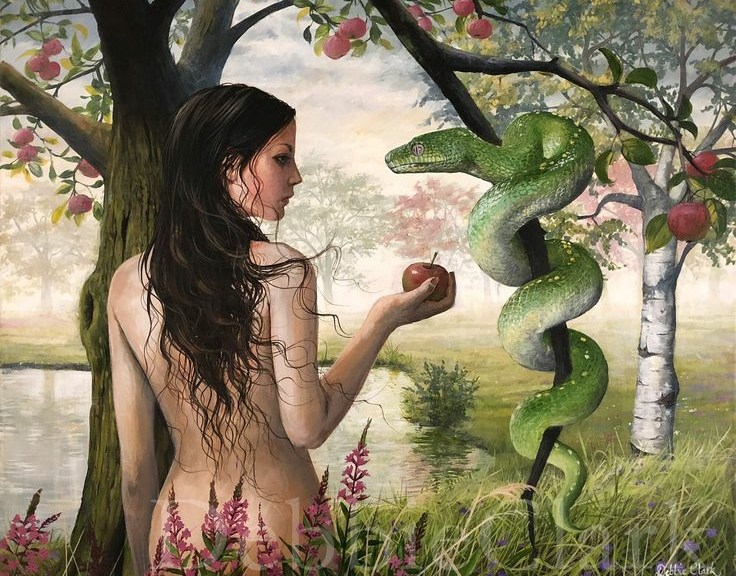
Now I can’t say for certain how many of those who pose this argument have actually read The Bible cover to cover, but, whether you accept what is in the Bible as truth or not, you surely will admit it makes the origin of sin very clear and also demonstrates how, through what transpired in The Garden of Eden, this sin has impacted humanity.
Before I was a true Christian, I oft-times would argue the point that just because Eve was beguiled by the serpent in the garden, it didn’t mean I would have been. Indeed, I was sure I was far more perceptive and much less trusting than Eve and that I would have told that cunning serpent to slither away, in no uncertain terms.
As is often the case in life, we look at another’s blunder and imagine that we, in what we perceive to be superior wisdom, would not have made the same mistake.
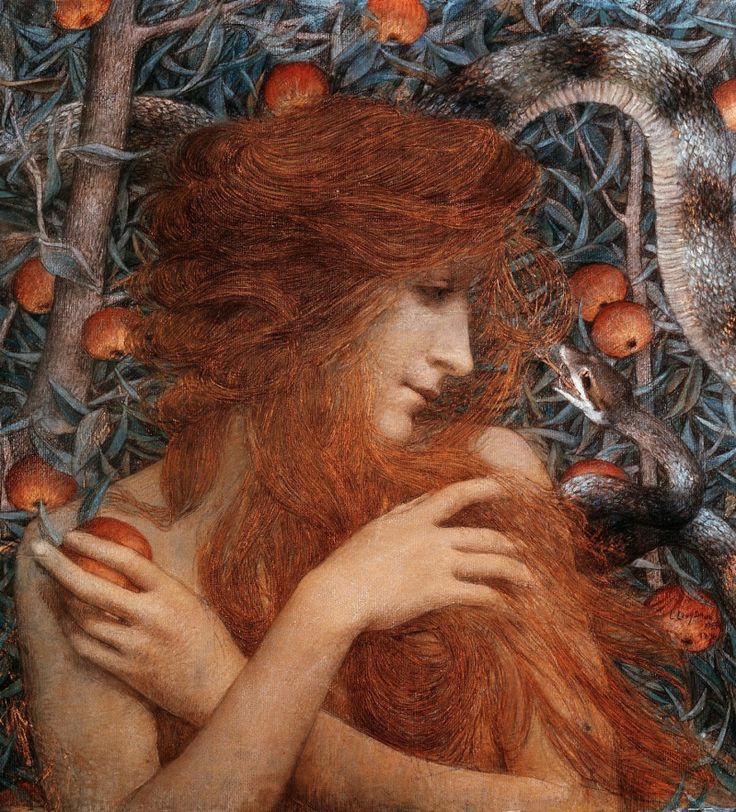
Over the years, I have seen those who hold antithetical views to Christianity argue for the fact that Eve being persuaded by the serpent to take forbidden fruit, thereby disobeying God, is an act of daring and heroism.
Well, although I agree about the daring part, I can’t imagine anything heroic about bringing sin upon mankind. In fact, it rather baffles me that rather than blaming mortals for being the sinners that we are, we are inclined to blame God for expecting us to be free of sin.
Somewhere along the way, it would seem we have gotten our roles in this play of life on Earth confused and imagine that we are the creators instead of the ones created. Our unwillingness to acknowledge the role that the original sin of mankind played in the suffering, pain, evil and death that have plagued the world through the centuries, has caused us to blame God instead.
Now even though I know it’s unpleasant to admit we are the ones at fault, not doing so, in this particular instance, has contributed to the demonization of a God who not only created us but loves us more than we can even imagine.
Even those of you without much knowledge of the Bible or of religion are probably familiar with the famous verse, John 3:16, “For God so loved the world that He gave His only begotten Son, that whosoever believe that in Him should not perish, but have everlasting life.”
If we take off our garment of pride for a moment and cease trying to be wise in our own eyes – if we could, for once, put on the cloak of humility and allow it to help us see that we are not sufficient in ourselves and that whatever goodness we do possess is God working through us – we would understand that any Creator who sends His only Son into the world to die for the sins of created beings who blatantly disobeyed Him, is a God who is more than worthy not only of acknowledgement but of praise and worship.
Peace & Blessings,
Sascha
This page and all written material at A Pilgrim’s Odyssey is written by Sascha Norris. (C) Copyright 2023-2024 by Sascha Norris. All Rights Reserved.
(Painting of Eve by French artist Lucien Levy-Dhurmer, 1896; Private Collection)


 A Pilgrim's Odyssey